

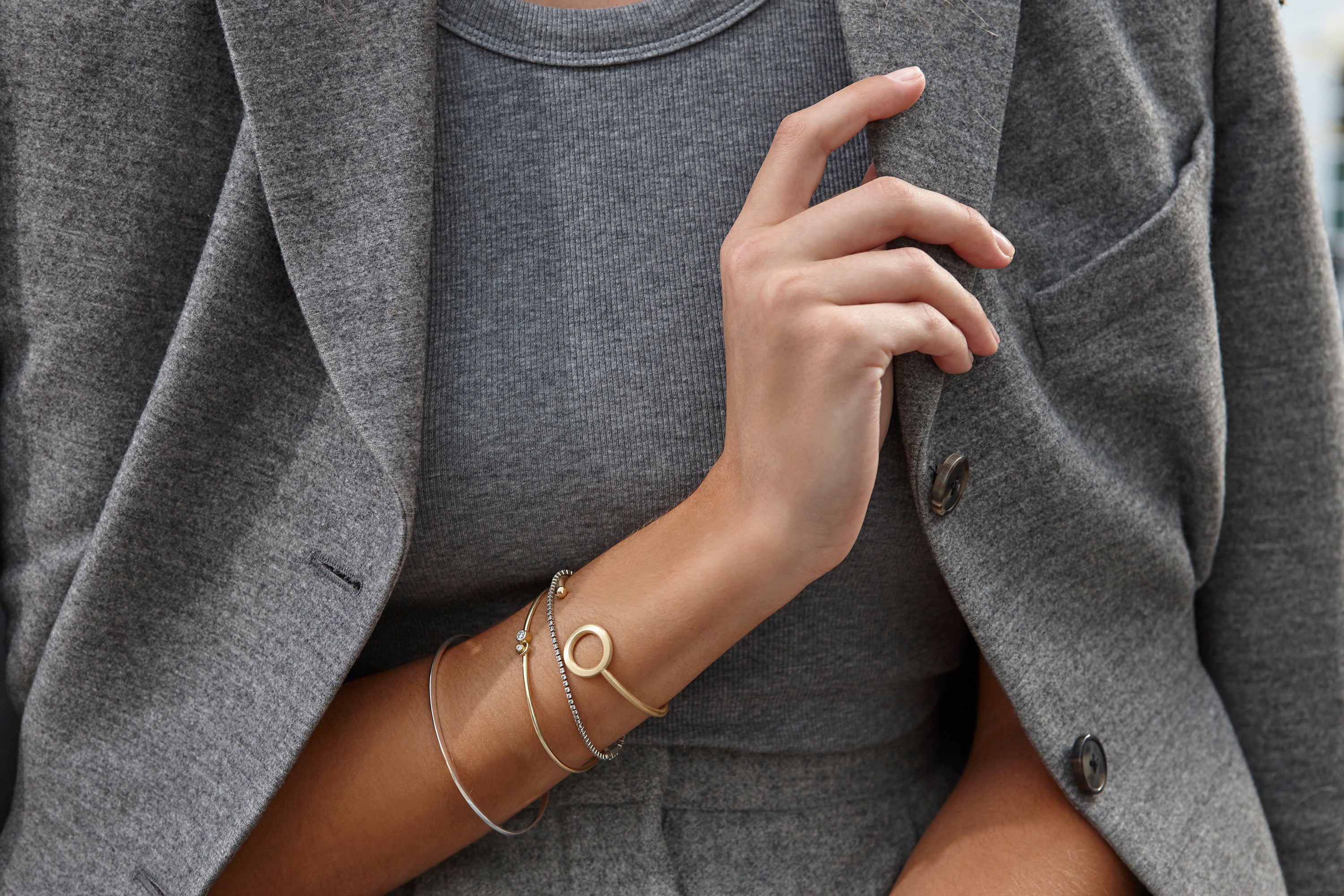
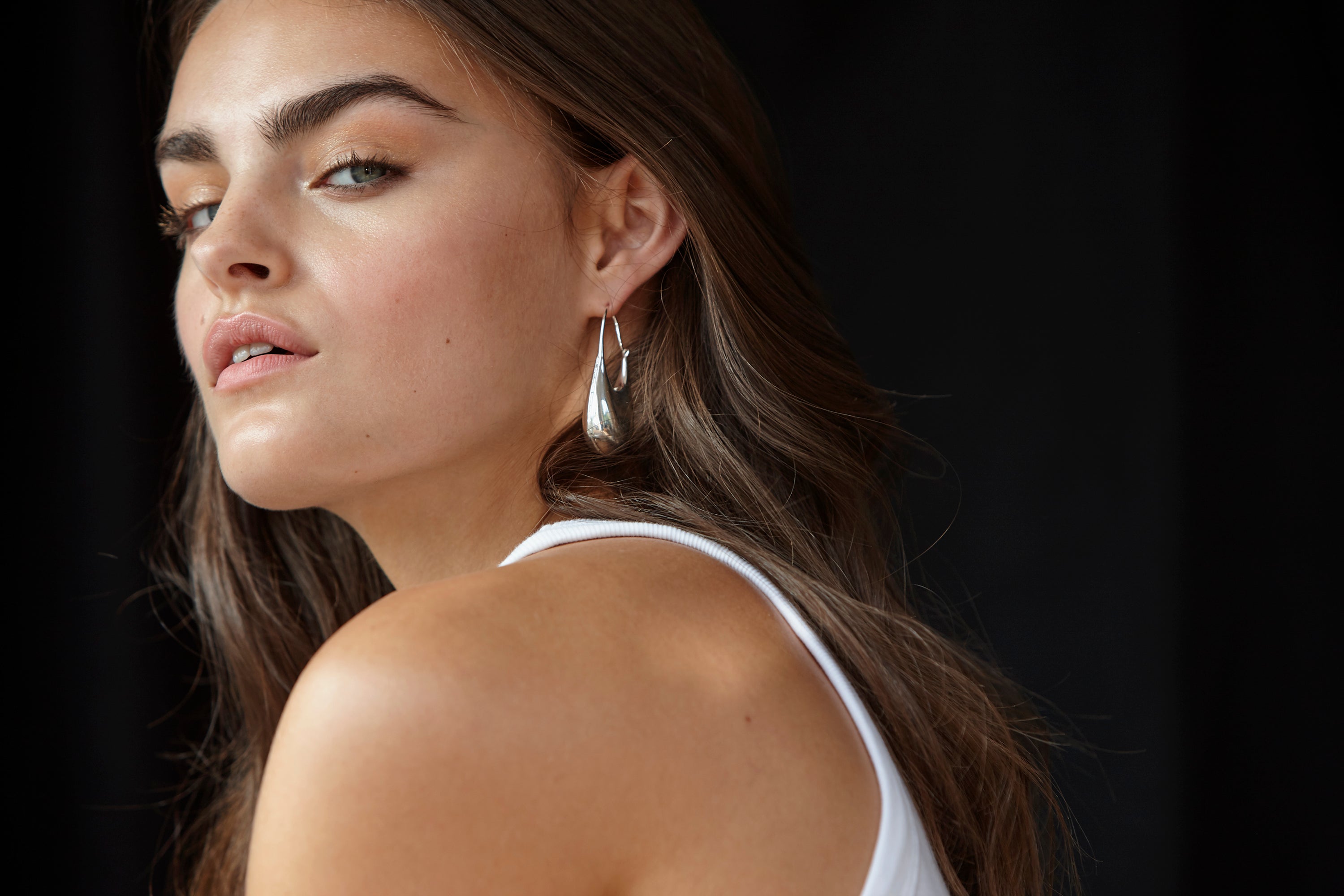
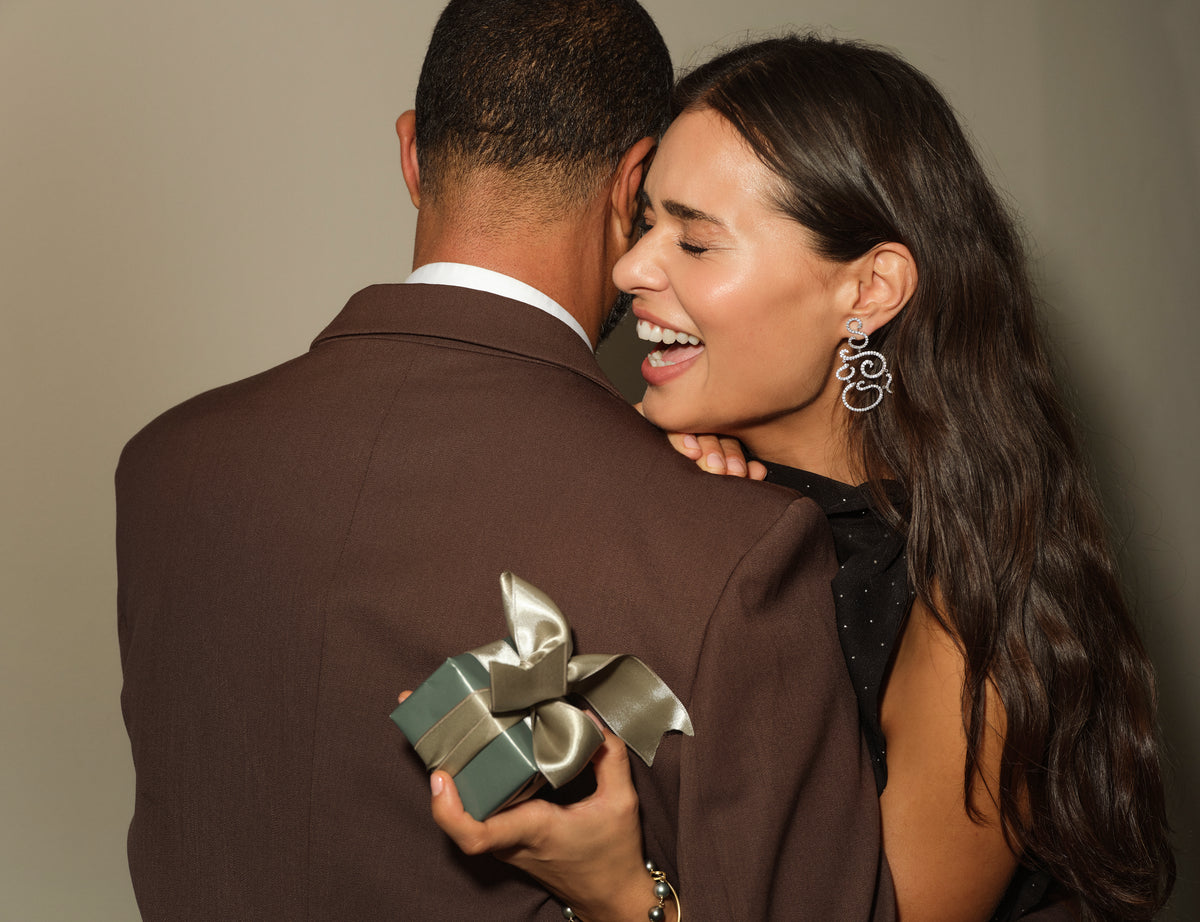
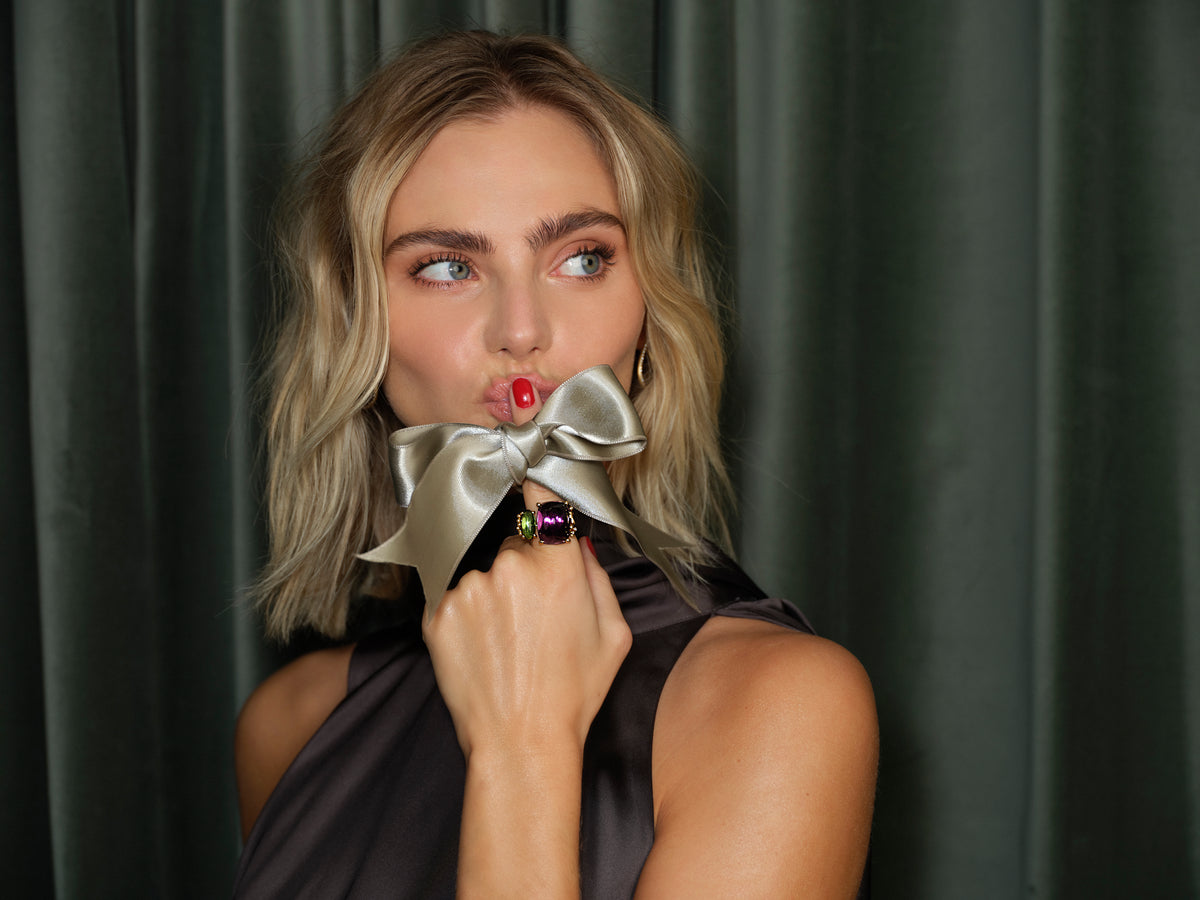
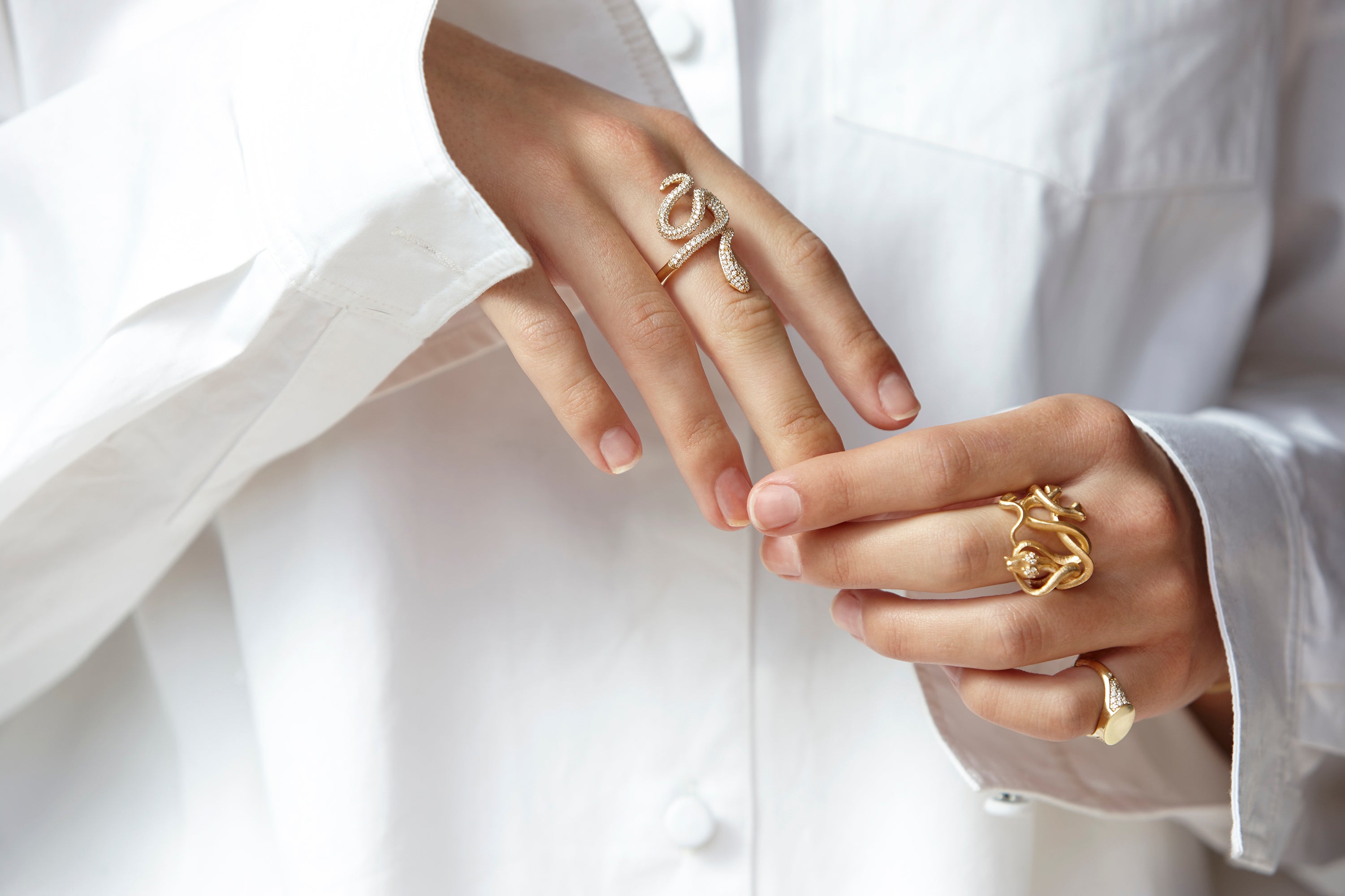

It's official - the brooch is back!
The history of the brooch - and how to style it now
CharlotteCharlotte, Co-founder
The brooch has never been more popular than it is right now. Over the last few years, it’s been rising and rising in popularity - but while a lot of jewellery trends start with fashionable women, this one was just as much led by the most fashion-forward men of the world.
Stealing the Show at the Oscars
The History of the Brooch
How to Use Your Brooch for Styling
Wild Rose Brooch - Ole Lynggaard

Ginkgo Brooch - VEVER


Elephant Neglige - MAZARIN


On our minds right now

-

Bergsøe: Everything you need to know about Aquamarines
Josephine Bergsøe has worked with aquamarines for decades. Here, Copenhagen-based fine jewellery designer tells us everything we need...
Read more -

Birthstone Jewellery for Mothers: Meaning, Symbolism & Gift Ideas
Birthstone jewellery for mothers represents far more than a simple splash of colour; it acts as a wearable...
Read more -
Bye Bye Choker - It's all about the long necklaces now
For the better part of the last decade, the choker has had a firm grip on the jewellery...
Read more -

Christine Hvelplund: Every Piece Contains a Diamond
For the Danish jewellery designer Christine Hvelplund, diamonds are not a feature but a non-negotiable. Every single piece...
Read more


Visit our showroom in Copenhagen
Around 15 of our designers are on show at any one time, and you can shop pieces directly from the showroom.


